RENTAL PROPERTY CARE
Roof Maintenance for Landlords: A Practical Property-Care Checklist
Keep roof care organised with planned checks, clear reporting and a record of repairs.
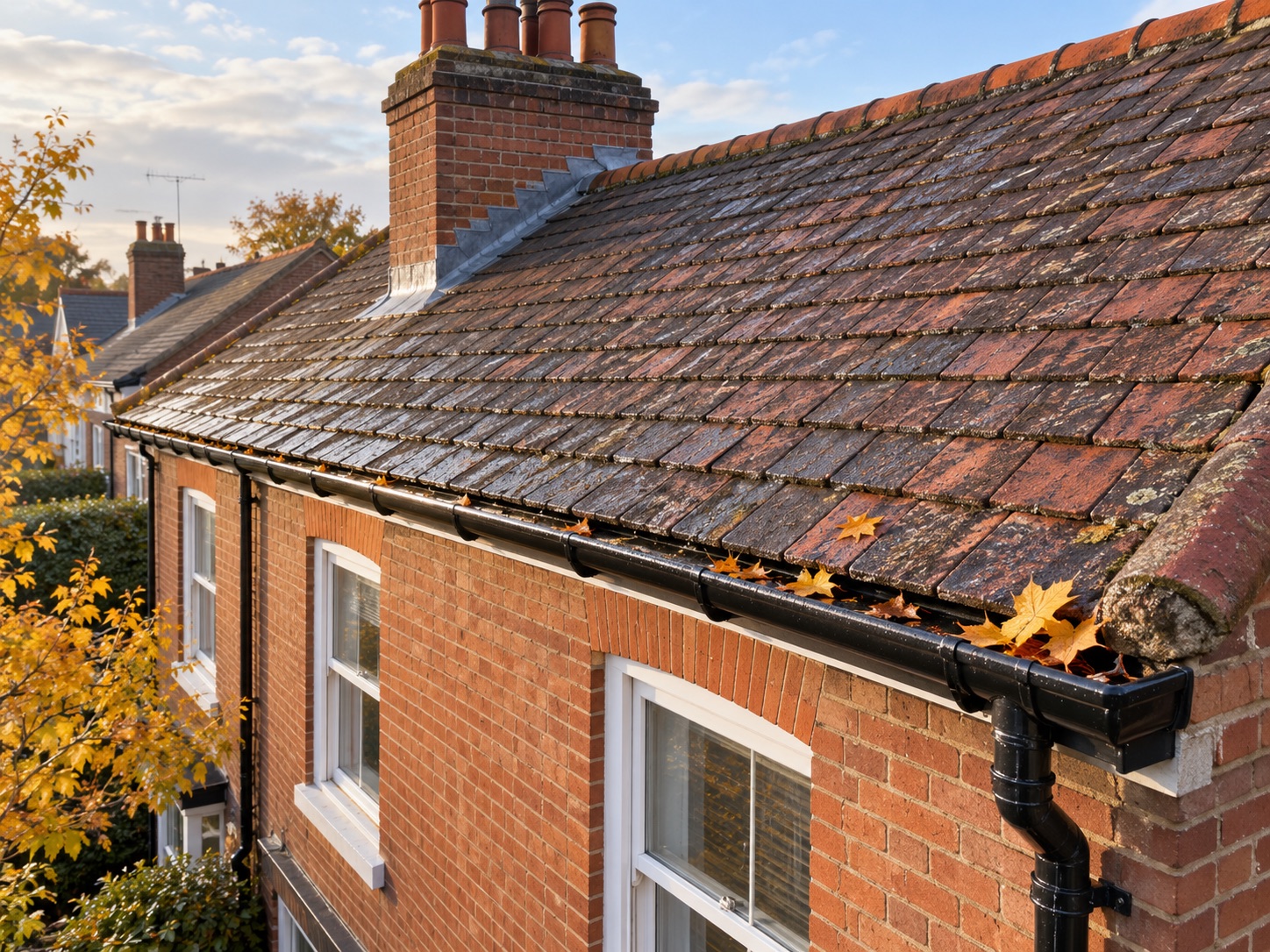
A rental property's roof is easy to overlook until a tenant reports water on a ceiling. By then, arranging access, finding the cause and protecting the home can become an urgent job. A planned maintenance routine gives landlords a better chance of spotting small defects and organising work before a preventable problem disrupts a tenancy.
For landlords in Norwich and elsewhere in England, a useful plan combines professional checks with clear reporting, written repair scopes and a record of what happened next. It should work while the property is occupied, rather than depend on the next change of tenant.
1. Make roof care part of property management
GOV.UK's private renting repairs guidance identifies the property's structure and exterior as landlord repair responsibilities. Treat a reported roof fault as a matter to assess and manage, rather than a task to pass to the tenant. For a flat, establish the route through the freeholder or managing agent for shared-roof work and keep the tenant updated while it is being arranged.
Keep a short roof record for each property: covering type, approximate age if known, previous leaks, completed repairs, guarantees and the person authorised to approve work. Where an agent manages the property, agree who receives reports and who can arrange urgent attendance. Unclear responsibility is an avoidable source of delay.
2. Set an inspection routine suited to the roof
Ask a competent roofer what inspection and maintenance schedule suits the property's materials, condition and exposure. Spring and autumn are useful planning points; the SPAB's roof maintenance advice recommends twice-yearly checks for slate and tiled roofs. Arrange additional assessment after damaging weather or a new report of water ingress, rather than waiting for a calendar date.
Observations from a safe ground-level position can help identify a visible change. Professional inspection should determine whether damaged coverings, loose details or concealed faults need attention. Do not ask tenants to climb ladders, enter an unsafe roof space or walk on a flat roof to investigate.
For an older or traditional building, ask about compatible repair materials and details. The maintenance approach should suit the actual roof, rather than assume every pitched roof can be treated in the same way.
3. Include gutters, downpipes and roof junctions
A maintenance visit should consider how rainwater leaves the building as well as the roof covering. Ask for gutters, outlets and downpipes to be checked for blockages, leaks, poor support and discharge problems. The SPAB's rainwater fittings guidance highlights regular clearing, particularly after autumn leaf fall, and checking the system for defects.
Ask the roofer to record the condition of valleys, chimney junctions, flashings and roof edges where applicable. A small junction defect can need a different repair from a damaged tile. For flat roofs, include outlets, perimeter details and the condition of the waterproofing in the agreed inspection scope.
Request photographs and a plain-language explanation of any findings. A note saying “roof checked” is less useful for future management than a record of the areas examined, limitations, defects and recommended next steps.
4. Make it easy for tenants to report changes
Provide one clear routine reporting channel and an out-of-hours route for urgent problems. Useful information includes the affected room, when the issue first appeared, whether it happens during rain and whether the patch is changing. Photographs taken safely inside the home or from ground level can support the report without asking the tenant to diagnose the cause.
Acknowledge the report, assess its urgency and explain the next action. Keep people away from unstable ceilings or falling materials and arrange prompt professional help where there is active damage or a safety concern. Water near electrical equipment needs urgent attention from an appropriate professional. Do not leave an immediate hazard waiting for the next routine inspection.
Agree access arrangements with the occupier and contractor through the proper process. Tell tenants what work is planned, who is attending and how any change to the appointment will be communicated. A maintenance plan needs a communication plan alongside it.
5. Specify repairs before comparing quotations
A stain shows where water has become visible; it does not necessarily locate the entry point. Ask the contractor to explain the cause, the evidence and the proposed repair. Where moisture has more than one possible source, seek an assessment rather than assuming it is either a roof leak or condensation.
For landlords who also manage property in Suffolk, Openly Roofing's Sudbury roofing website covers roof repairs, replacement, flat roofing and ongoing roof care. Its range of topics provides useful context when describing a job, although landlords arranging work in Norwich should confirm the contractor's service area and suitability for their property.
For each quotation, ask for the affected area, materials, access arrangements, temporary weather protection, waste removal, exclusions, VAT and guarantee terms. Establish how concealed damage and extra work will be approved. If replacement is proposed, ask why a targeted repair would be insufficient and what evidence supports the wider scope.
6. Budget for maintenance and keep evidence
Separate routine checks and clearing from identified repairs and longer-term renewal. Use actual quotations and the roof's condition to plan spending, rather than apply one allowance to every property. Record access costs explicitly: scaffolding can affect the economics and timing of work, particularly where several related defects need attention.
Keep inspection reports, dated photographs, invoices, agreed variations and guarantees together. After work, obtain a completion record and update the tenant. If the original symptom returns, refer back to the diagnosis and scope instead of commissioning another unexplained patch. A tenancy change is a useful review point for the record, but urgent repairs should not wait for a vacancy.
Plan roof access through competent contractors. HSE guidance on fragile surfaces explains the hazards and precautions involved; even a short maintenance visit needs appropriate arrangements.
A practical landlord roof-maintenance checklist
- Keep an up-to-date roof history and an agreed repair contact.
- Schedule inspections and rainwater-system maintenance appropriate to the building.
- Give tenants clear routine and urgent reporting routes.
- Assess new leaks promptly and arrange safe investigation.
- Compare written scopes that address the cause of the defect.
- Record completion, follow up unresolved symptoms and plan future work.
Regular roof care helps a landlord make better-informed decisions about the property and respond more clearly to the people living there. The aim is a maintained, weather-resistant home supported by reliable records and timely action.