GARDENS, PREMISES & RURAL LAND
Fencing and Gates in Sudbury: Installation, Repairs and Replacement
A practical guide to planning boundaries and entrances that suit the property and the people using it.
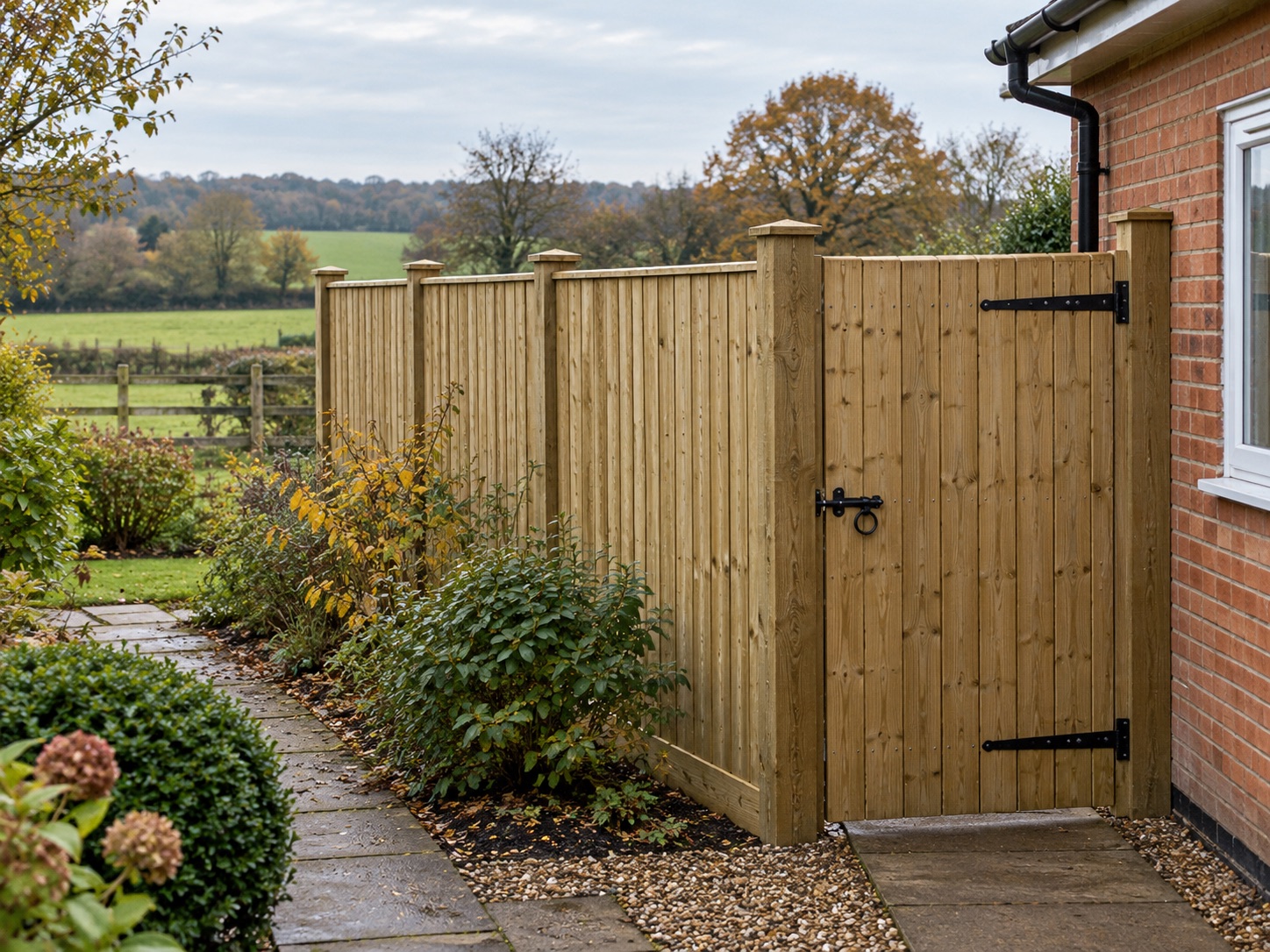
A fence has to do more than mark the edge of a property. It may provide privacy for a garden, separate visitors from a working yard or help manage access to rural land. A gate adds another everyday requirement: the boundary must open conveniently as well as close securely.
For property owners and landlords planning work in Sudbury and the surrounding area, the starting point is the way the space is used. Decide what needs to change, which existing parts might remain and how people will use the entrance before choosing a fence style.
Start with the purpose of the boundary
A useful project brief explains the problem in ordinary terms. Perhaps a garden is overlooked, a side gate no longer closes, or an entrance is too awkward for deliveries. Describe those needs first so the installer can assess the layout and propose an appropriate specification.
Sudbury Fencing covers fencing and gate installation, repairs and replacement in Sudbury and surrounding areas for gardens, business premises and rural land. Its service categories provide a starting point for exploring the different kinds of work. Include the property's postcode when enquiring so coverage can be confirmed for the actual address.
Garden fencing: balance privacy with everyday use
For a garden, think about where privacy matters most and how the boundary relates to paths, planting and neighbouring spaces. You may want screening beside a seating area while keeping a frontage more open. Ask the installer to explain the practical differences between the options being quoted, including how they suit the site's exposure and ground levels.
For a rental home, include access for bins, bicycles and routine maintenance in the brief. An attractive fence can still be inconvenient if a narrow gate makes ordinary tasks difficult. Record the agreed layout and materials so future repairs can be specified consistently.
Before changing a boundary, check the relevant property documents and resolve uncertainty about responsibility or position. HM Land Registry's boundary guidance explains that title plans usually show general boundaries and that there is no automatic left-hand or right-hand fence ownership rule. Seek appropriate advice where the position is unclear.
Business premises: plan around movement and access
A business boundary should be planned around the people and vehicles using the site. Identify visitor routes, delivery movements, staff access and any areas that need separating from general circulation. Give the contractor a clear description of the intended use rather than relying on a request for “security fencing” alone.
Ask how the proposed fence and gate arrangement fits the premises' operating needs. Agree the clear opening required, where vehicles will wait and how the entrance will be used during installation. Where a tenant occupies the premises, establish who can authorise the work and coordinate with the people responsible for the site.
Rural fencing: explain what the land needs to do
For rural land, describe whether the project is intended to define a boundary, divide a paddock or support a particular land-management use. If animals are involved, tell the specialist which species will use the enclosure and ask for a specification suited to them. A boundary that looks suitable from a distance may not meet the needs of the actual site.
Discuss field entrances alongside the fence line. Explain what vehicles or machinery need access and identify slopes, uneven surfaces and existing features that affect the route. Request a site assessment where those conditions could change the proposed layout or installation method.
Repair or replace? Assess the supports as well as the panels
A visibly damaged section does not establish the condition of the whole fence. Ask the contractor to examine the surrounding structure and explain which parts remain serviceable. A limited repair may be appropriate where damage is isolated; wider deterioration may justify comparing a more extensive replacement.
For a leaning fence, ask what caused the movement and how the proposal will address it. Replacing the most obvious damaged part without understanding the support problem may leave the original issue unresolved. Keep people away from unstable sections while an assessment is arranged.
If several options are offered, ask for the scope and limitations of each in writing. Identify what is being retained, what is being removed and how new materials will connect to the remaining work. That makes the comparison more useful than two unexplained headline prices.
Include the gate from the beginning
A gate needs room to operate and a layout that works for the people using it. Discuss the clear opening, swing direction, latch position and any ground-level changes with the installer. Mention bins, pushchairs, mobility needs or regular equipment movements that should be considered in the design.
For an existing gate that drags or will not latch, ask for the supports and fittings to be assessed before assuming the leaf alone needs replacing. Request confirmation of how the gate will be adjusted and checked at completion. Agree any locks, handles and supplied keys explicitly in the quotation.
Prepare a quotation that can be compared fairly
Give each contractor the same brief and ask them to confirm what is included. Useful details to establish are:
- The address, intended use and approximate length or affected section.
- The proposed fence and gate specification, including supports and fittings.
- Removal and disposal of existing materials, and any parts to be retained.
- Installation access, ground conditions and making good disturbed areas.
- Price, VAT, timing, payment terms and any guarantee conditions.
- How unexpected findings or changes to the agreed scope will be approved.
Ask which site-specific permissions or approvals need checking before work starts. Safe photographs can help explain the enquiry, but final dimensions and the specification should be confirmed for the property.
A well-prepared fencing project joins the boundary and the entrance into one practical plan. Whether the job is a garden repair, a new business perimeter or work on rural land around Sudbury, a clear brief and an agreed scope make it easier to judge the proposal and maintain the finished installation.