RENTAL PROPERTY MAINTENANCE
Drainage Care for Rental Properties: A Practical Landlord Guide
A practical approach to reporting drainage faults, arranging investigations and keeping a rental home running smoothly.
Drainage problems can quickly interrupt everyday life in a rental home. A slow sink may be inconvenient; wastewater backing up or the loss of a usable toilet needs a much more urgent response. For landlords and managing agents, a clear reporting process and a record of previous work make it easier to arrange the right help.
Good drainage care starts with practical information: what has changed, where the problem appears and who needs to attend. It also means distinguishing an obstruction from a damaged pipe or a rainwater problem, rather than treating every symptom as the same job.
Recognise a change and record what is happening
Ask tenants to report slow drainage, repeated gurgling, unusual smells or water appearing where it should not. These observations are a reason to investigate, rather than a diagnosis by themselves. Note whether one fixture or several are affected, when the problem began and whether it changes during rainfall.
A short written report helps the person arranging attendance. Include the property address, the affected room or outdoor area, any previous clearance and safe photographs where useful. If other occupiers have noticed the same symptoms, pass that information on too. Do not ask anyone to lift heavy covers or enter a chamber to gather evidence.
Give tenants a clear route to help
Include drainage faults in the property's routine and out-of-hours reporting arrangements. Explain whom to contact and what information to provide. Where an agent manages repairs, agree who can authorise an urgent visit and how the owner will be kept informed.
When sewage is escaping or essential facilities cannot be used, explain that clearly when requesting direct help. Keep people and pets away from contaminated areas. Anglian Water's sewer-flooding guidance explains how to report an incident and includes precautions for affected properties. Follow professional advice about the immediate situation and avoid contact with sewage.
Give the occupier a realistic update about the next action, even if the cause is still being investigated. Agree access with the tenant and contractor, and record any change to the appointment. Do not use a general website enquiry form as a substitute for direct urgent assistance.
Check who is responsible for the affected pipe
A pipe's location alone may not settle responsibility. Private drains, shared pipework and public sewers can be treated differently. Anglian Water's sewer pipe responsibility guidance describes the distinction and explains that adoption arrangements can matter for newer shared systems.
If there is doubt, ask the sewerage company to clarify whether the affected section is theirs before commissioning work on an assumed basis. In a block of flats, coordinate with the managing agent and anyone responsible for shared services. Keep the response focused on restoring a usable property while responsibility and any payment questions are established from the evidence.
Reduce avoidable blockages with simple information
Give occupants a brief reminder about what belongs in a bin rather than a drain. Anglian Water's blocked-pipes advice highlights wipes, sanitary products and leftover cooking fats as causes of problems in the sewer system. Make that guidance easy to find with the property's maintenance contacts.
Explain any property-specific drainage arrangements at handover. Keep available instructions and previous reports together so a new managing agent or contractor does not have to start from scratch. Avoid assuming that every blockage was caused by the current occupant: establish what was actually found before drawing conclusions.
Understand the difference between clearance and investigation
Removing an obstruction and understanding why it formed are related but different tasks. Ask the contractor what was found, what work was completed and whether any further assessment is recommended. A useful completion record explains the outcome, rather than simply stating that someone attended.
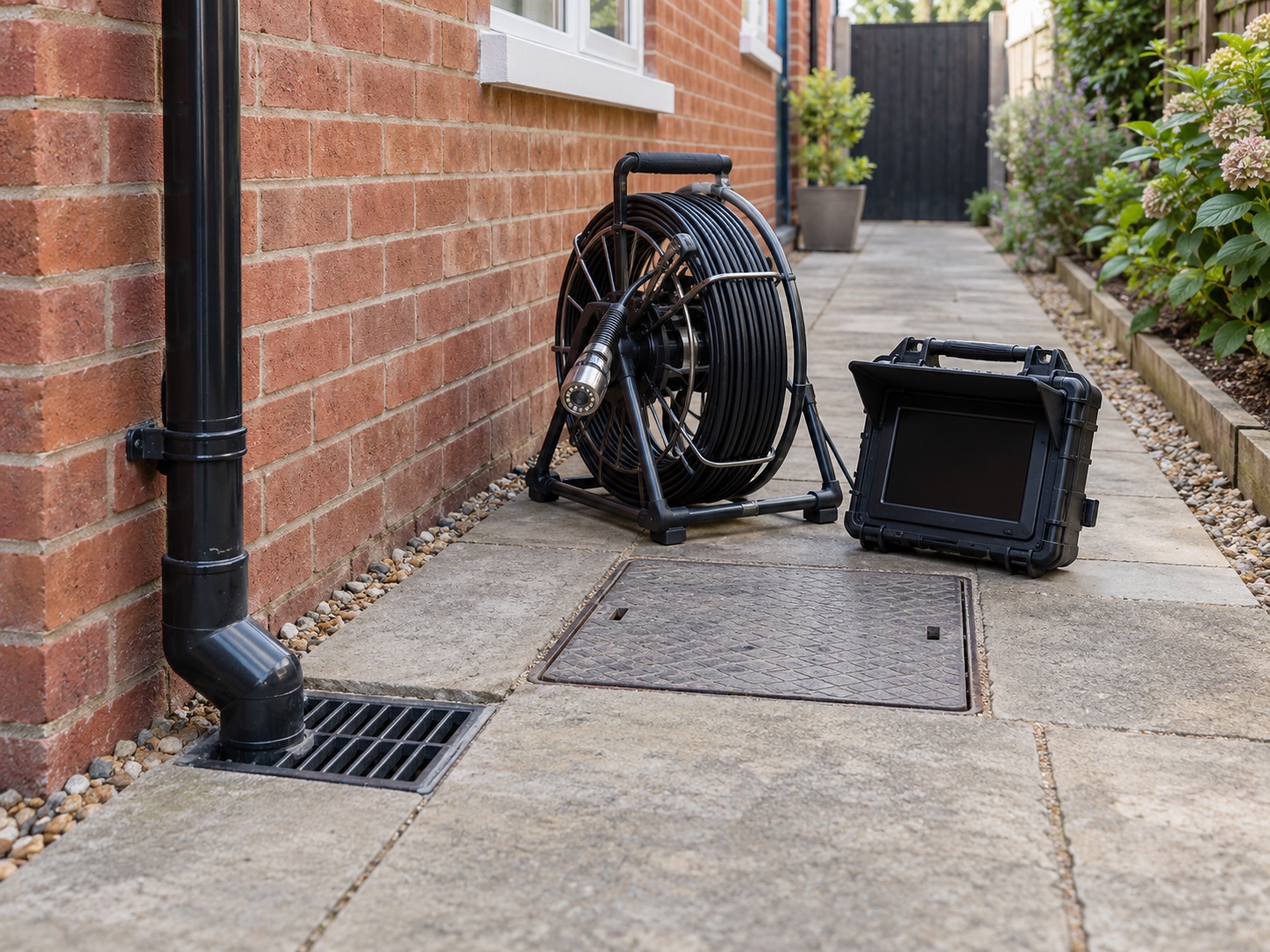
Where a problem returns after clearance, keep the dates and findings from previous visits. Ask whether a survey is appropriate to investigate the recurring symptoms. If CCTV inspection is proposed, agree what the report will include, which sections can be inspected and any limitations caused by access or the condition of the system.
Do not choose a repair method before the defect has been established. A proposal for lining, excavation or replacement should identify the problem it addresses and explain why that approach suits the property. Ask how the contractor will deal with an unexpected finding before additional work is authorised.
Finding drainage help for a Sudbury property
For landlords and owners with property in Suffolk, Sudbury Drainage covers blocked drains, drain surveys, repairs, surface water drainage and commercial drainage in Sudbury. Its service pages offer a starting point for matching a visible problem to an enquiry, including work on rented homes and flats.
Include the property's postcode and confirm coverage for the actual address. Explain access restrictions, whether the property is occupied and whether essential facilities are affected. For work at a Norwich property, confirm the chosen contractor's service area rather than assuming a Sudbury-focused service covers the same location.
Keep rainwater problems in the brief
Water collecting outside during rain needs a description of its own. Note whether it appears near a downpipe, on a driveway or across a garden, and whether it clears once rainfall stops. Those observations help explain the enquiry without assuming which underground system is responsible.
Ask an appropriate specialist to assess persistent problems and explain the proposed route for the water. Keep any drainage drawings or records available. A new outlet or altered connection needs a property-specific assessment; a general guide cannot establish a suitable design.
Compare written scopes and retain the outcome
A clear quotation should distinguish the initial attendance from investigation and any proposed repairs. Ask about access, equipment, exclusions, VAT, waste handling and making good affected areas. Establish how further work will be priced and approved if the initial visit identifies a different problem.
Afterwards, retain the report, photographs, invoice and any agreed follow-up. Tell the tenant what has been done and how to report a returning symptom. Keeping the original diagnosis and completion record together makes the next decision easier, whether the property needs routine monitoring or further investigation.
A workable drainage plan combines sensible everyday use with prompt reporting and evidence-based decisions. Landlords do not need to diagnose buried pipes themselves, but they do need a reliable route from a tenant's report to the right assessment and a recorded outcome.